
Furnace Repair in Orange County, CA
A gas furnace is a sequence of safety interlocks wrapped around a burner. When one link in that sequence stops proving itself, the furnace refuses to light — which is the system working correctly, not failing randomly. Reading that sequence is how we find the actual fault instead of replacing parts and hoping.
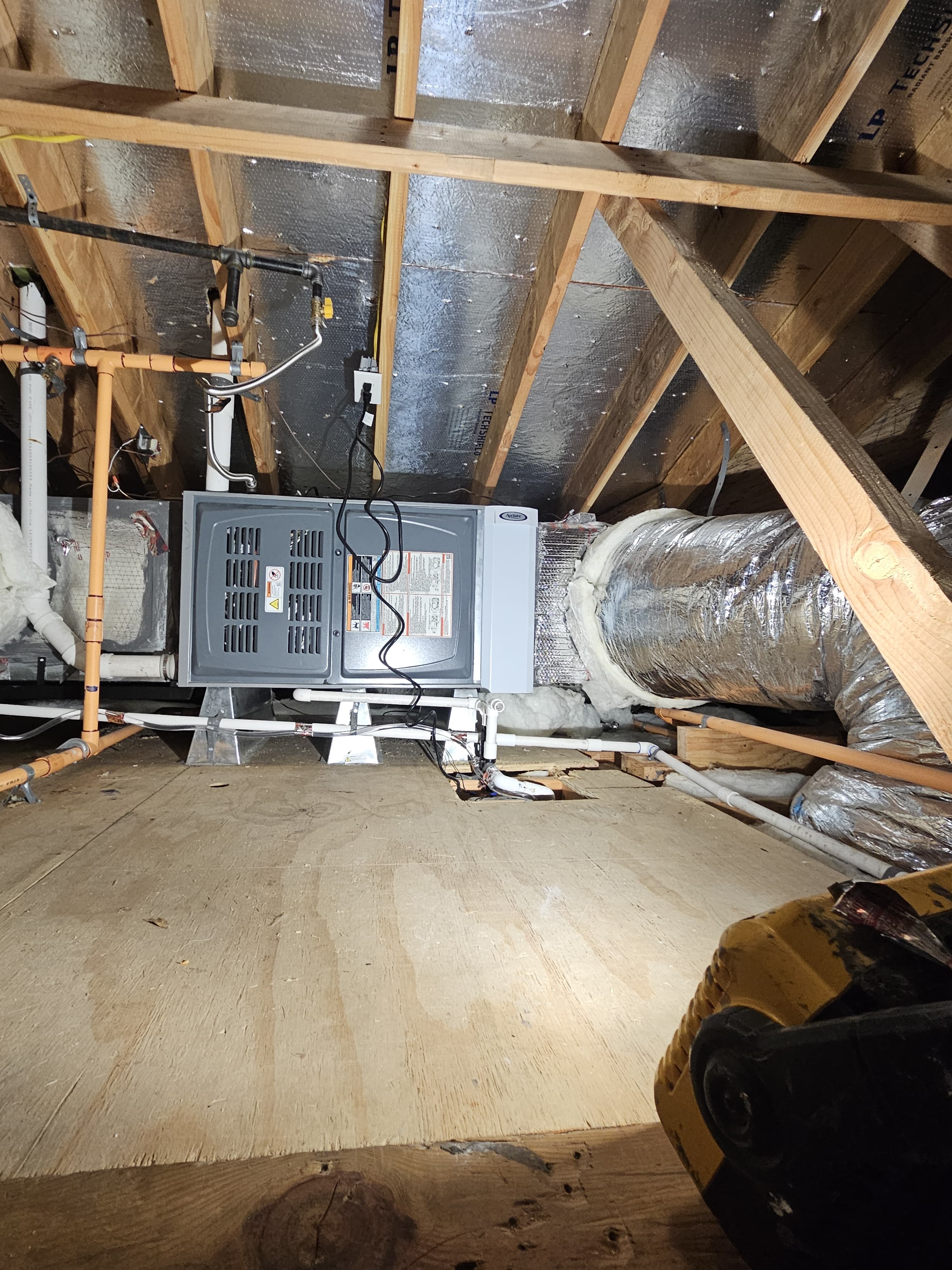
Common gas furnace failures
- Hot-surface ignitor cracked or worn out — the most common no-light cause
- Dirty flame sensor: the burner lights, then shuts down a few seconds later
- Failed draft inducer motor or a blocked pressure switch hose
- Blower motor or capacitor failure — heat builds but never moves
- Limit switch tripping from a clogged filter or closed-off returns
- Gas valve, control board or rollout switch faults
The safety check we won't skip
Every furnace repair includes an inspection of the heat exchanger and the venting. A cracked heat exchanger can let combustion gases — including carbon monoxide — into the air your blower distributes through the house. If we find one, we shut the furnace down and tell you straight, even when that's not the answer anyone wants. We won't return a furnace to service that isn't safe to run.
Repair, or is the furnace done?
An ignitor or a flame sensor on a well-maintained furnace is a straightforward repair worth making. A cracked heat exchanger, a failed gas valve on a twenty-year-old unit, or a third significant repair in as many seasons is a different conversation. We quote both paths and give you our honest read — then it's your call, not ours.
What keeps a furnace out of trouble
- Change the filter on schedule — restricted airflow causes more furnace failures than anything else
- Keep supply and return vents open and unblocked by furniture
- Run the heat briefly in early fall, before the first cold night, so problems surface on your schedule
- Have a working carbon monoxide alarm on every floor with a gas appliance
Frequently asked questions
My furnace lights and then shuts off after a few seconds. Why?
That pattern usually points to the flame sensor: the furnace lights, can't confirm flame, and closes the gas valve as designed. Cleaning or replacing the sensor typically resolves it.
Should I have my furnace checked even if it's working?
A pre-season check is worth it, mainly for the combustion and venting inspection. Most furnace emergencies we're called to would have been visible during a routine look weeks earlier.
Do you work on furnaces in mobile homes?
Yes, though manufactured-home furnaces are a different design and use different parts. That work is covered on our mobile home HVAC page.
Where we do this work
We serve Orange County and Los Angeles County. Santa Ana is our home base.
HVAC services in Santa AnaRelated services
Other work we do for homes and businesses nearby.
Need this handled today?
Call and talk to a real person, or request a free estimate and we'll call you back.